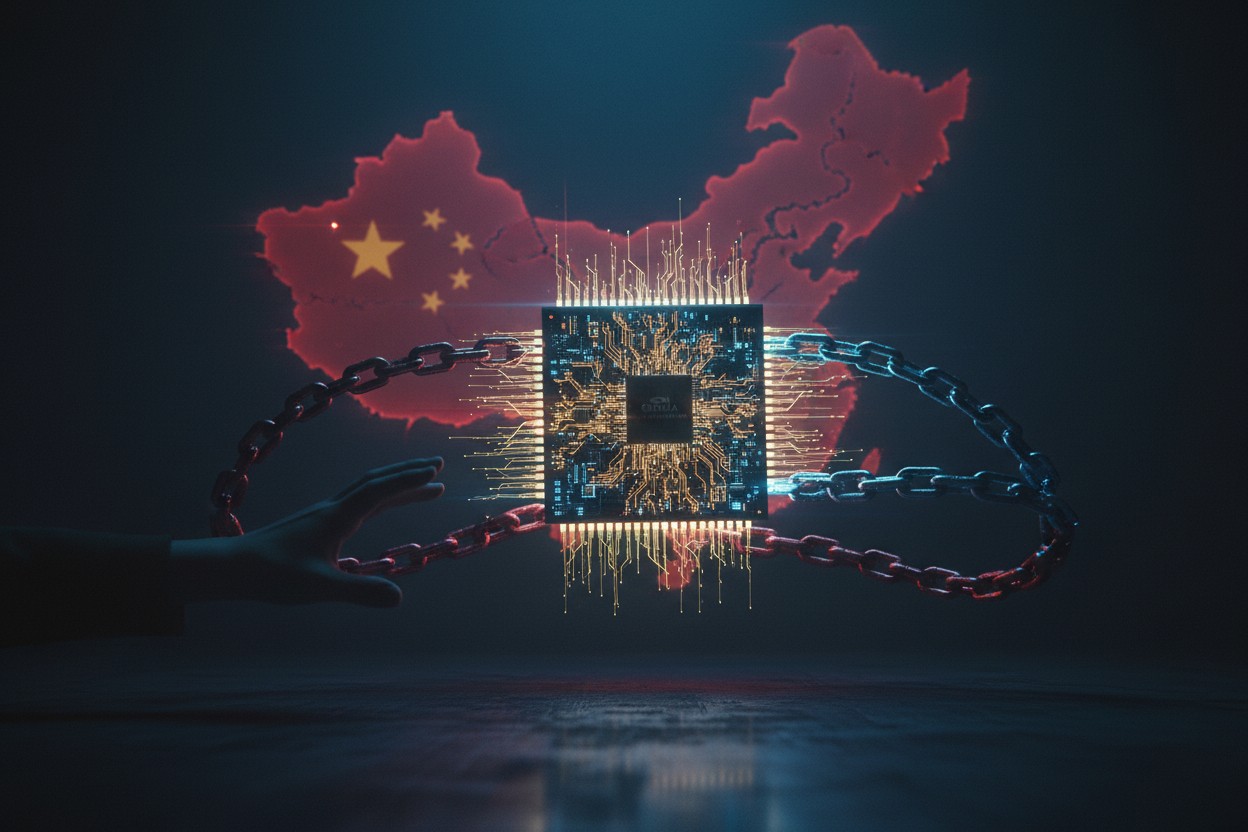
Micron Breaks Ground on $9.3 Billion Hiroshima Memory Chip Plant
07/08/2026 / By Edison Reed
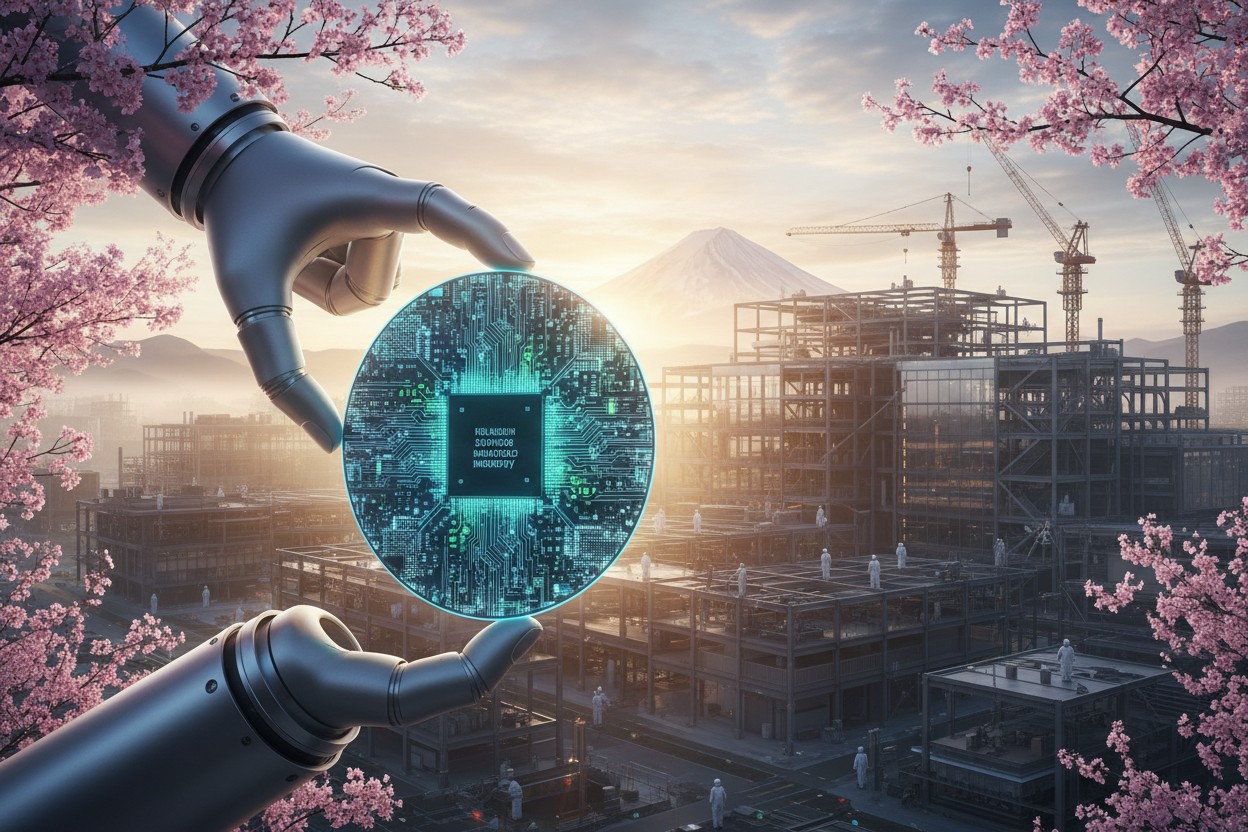
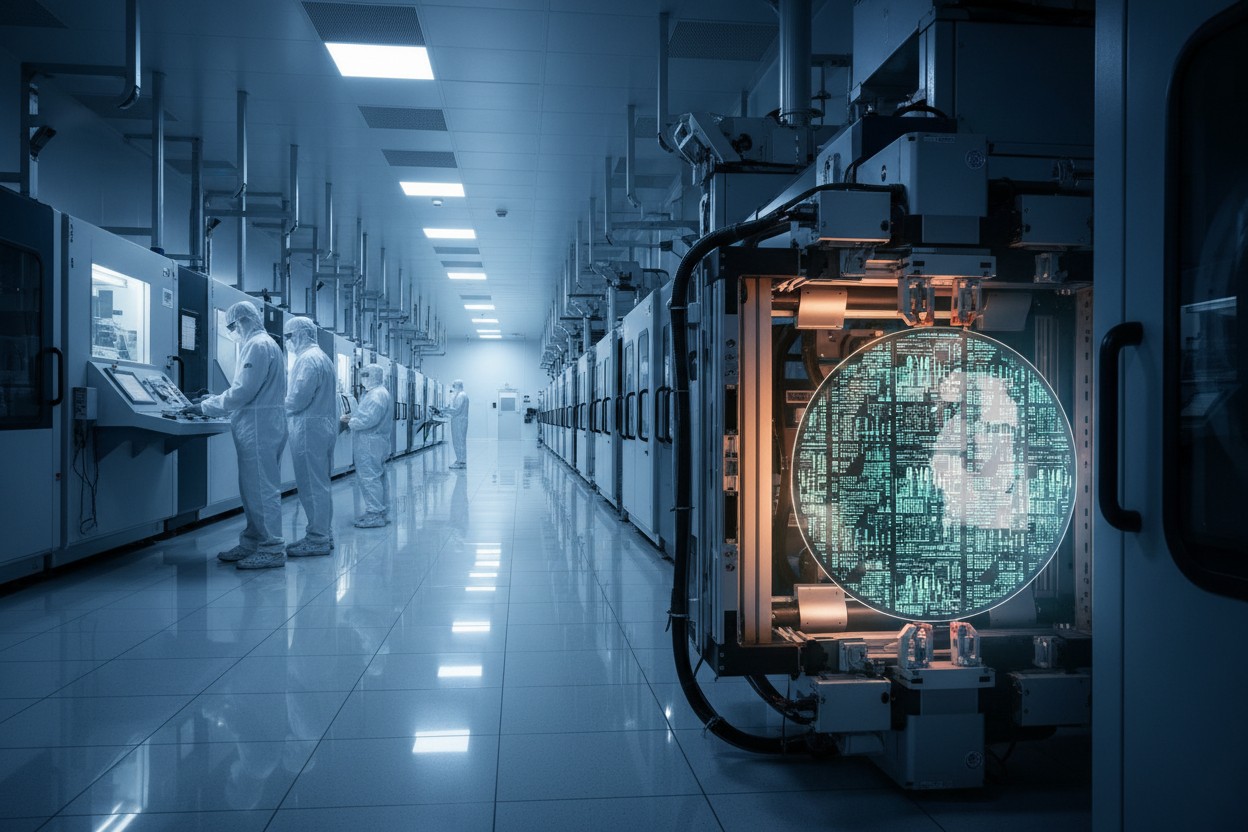
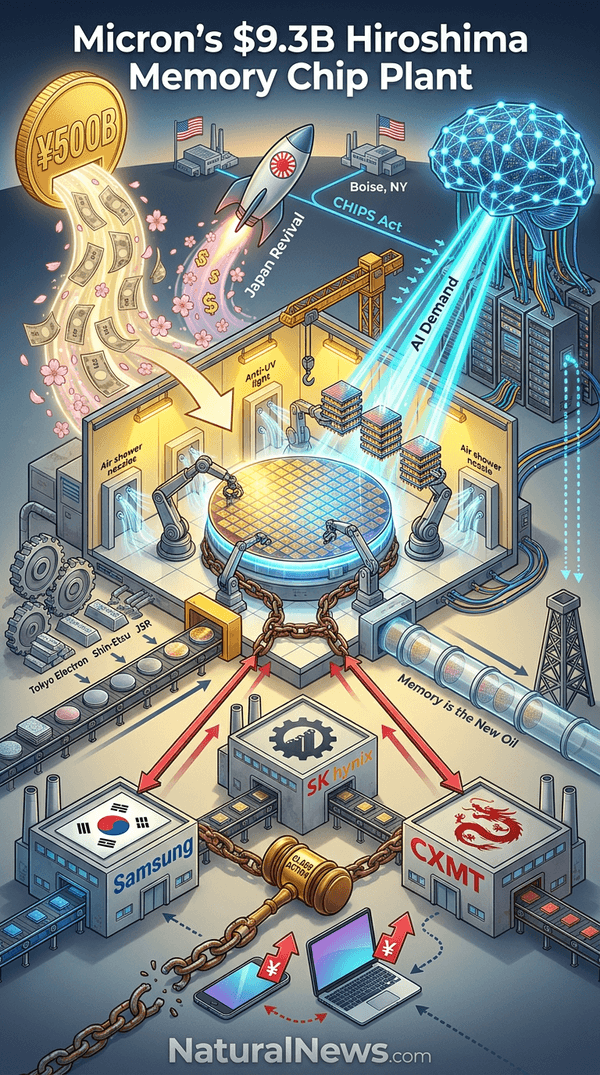
Micron Technology on Saturday broke ground on a ¥1.5 trillion ($9.3 billion) expansion of its factory in Higashihiroshima, Japan, according to a Bloomberg report [1]. The Boise, Idaho-based company will produce high-bandwidth memory (HBM) chips used in AI processors, with shipments expected to begin around the summer of 2028. The Japanese government has allocated up to ¥500 billion in subsidies to support the project, officials said [1].
The factory expansion is designed to increase power and transmission efficiency for chips used in AI services and self-driving vehicles. Along with earlier research and development support, Tokyo has committed roughly ¥775 billion to Micron to date, the report stated [1]. Micron is now the only maker of DRAM within Japan’s borders.
Global Memory Chip Demand Drives Expansion
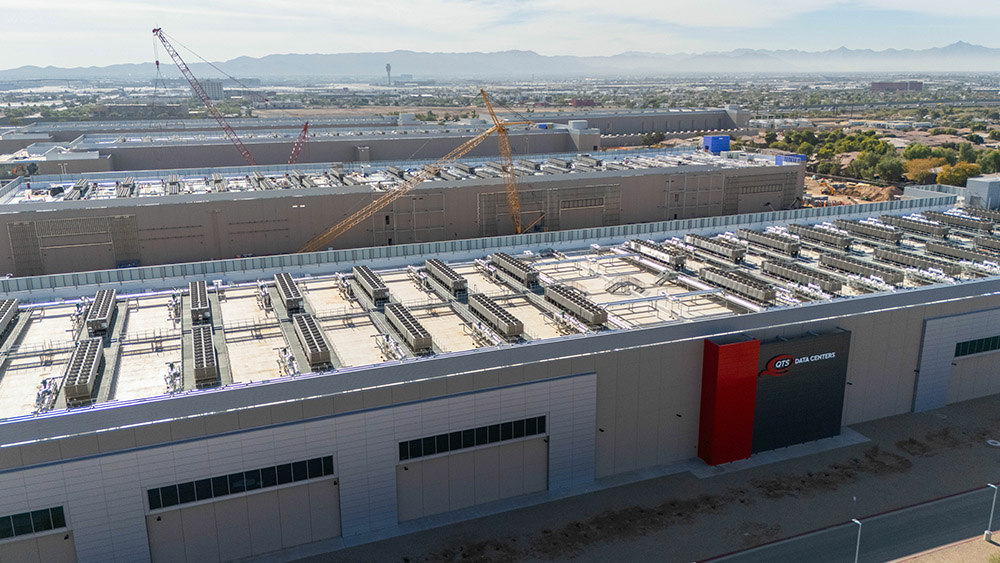
Micron’s Hiroshima expansion is part of an industry-wide ramp to meet surging demand for HBM, a specialized memory type critical for AI processors such as Nvidia’s [1]. The company is also building two leading-edge fabs in Boise, Idaho, and in January held a groundbreaking for a $100 billion production site near Syracuse, New York, part of a pledge to increase DRAM production in the United States [10]. South Korea’s SK Hynix and Samsung Electronics are boosting manufacturing capacity, with SK Hynix planning a U.S. listing that could raise $28 billion [2][3]. Meanwhile, Chinese memory maker CXMT is preparing for a major IPO, according to reports [1][5].
The global shortage of HBM and other advanced memory chips has pushed prices higher and forced companies such as Apple to raise device prices [4][6]. A widespread shortage of memory chips was already evident in early 2026, as data-center demand siphoned supply away from consumer electronics [8]. The memory market has long been dominated by three firms — Micron, Samsung and SK Hynix — which critics have called a cartel [5]. In late June 2026, the three companies were sued in a class action alleging DRAM price-fixing, according to a federal complaint [7].
Japan’s Strategy to Regain Semiconductor Leadership
Since 2021, Japan has allocated tens of billions of dollars for semiconductor and AI support, seeking to regain a leadership position in a sector seen as central to national security [1]. Last month, Prime Minister Sanae Takaichi released a roadmap targeting private and public investment of ¥101.6 trillion through March 2041, without specifying how much would come from government coffers [1]. The effort reflects a broader international contest over technological leadership, as noted by author Glenn Diesen, who argues that contested chip supply chains are reshaping global power dynamics [11].
Japan has largely ceded leadership in finished semiconductors to South Korean and Taiwanese firms, but it remains home to many key suppliers of advanced chip materials and manufacturing gear. Industry minister Ryosei Akazawa said at the ceremony that Micron’s support has “invaluable worth,” adding that Japan is ready to assist other overseas chipmakers seeking to build factories there [1]. The government’s willingness to subsidize foreign companies highlights the strategic importance of memory chips, which author Robert Burrows described as “the most important commodities in the global economy” [9].
Quotes from Officials and Local Supply Chain
Micron CEO Sanjay Mehrotra told attendees at the groundbreaking ceremony, “When American boldness meets Japanese craftsmanship… you get the best in the world” [1]. He also noted that Micron’s first HBM production wafer was made at the Hiroshima factory [1]. Industry minister Ryosei Akazawa said the government’s support for Micron has “invaluable worth,” and that Japan is prepared to do “all that it can” to help other overseas chipmakers [1].
Kota Nosaka, representative director of Micron’s Japan unit, stated that approximately 80% of the chip materials needed by the Hiroshima factory comes from Japanese suppliers [1]. “The Hiroshima factory’s strength lies in its ability to quickly deliver cutting-edge and high-performance products to customers,” Nosaka said [1]. The factory’s local supply chain and integration with Japanese materials firms give it a competitive advantage in rapidly bringing new memory chips to market, according to company officials [1].
References
- ZeroHedge. “Micron Breaks Ground On $9 Billion Hiroshima Memory Chip Plant.” July 7, 2026.
- TechCrunch. “US investors will soon get access to SK Hynix, another memory maker riding the AI boom.” July 6, 2026.
- TechCrunch. “South Korean tech giants commit over $550B to ease ‘RAMageddon’.” June 29, 2026.
- TechCrunch. “The memory chip crunch is paying off for this U.S. company.” June 24, 2026.
- NaturalNews.com. “Chinese semiconductor firms CXMT and YMTC dominate global memory chip market.” June 1, 2026.
- ZeroHedge. “Apple Price Shock: Macs And iPads Jump $200 Or More As Memory Crisis Worsens.” June 25, 2026.
- NaturalNews.com. “Three Chipmakers Sued Over Alleged DRAM Price-Fixing Conspiracy.” June 30, 2026.
- ZeroHedge. “The AI Boom Is Creating A Global Memory Chip Shortage.” March 14, 2026.
- Robert Burrows via BondVigilantes.com. “The Inflation Spark That Could Become A Deflation Shock.” February 28, 2026.
- Laura Harris. “Micron expands US investment to $200 billion amid Trump push to onshore semiconductor supply chains.” NaturalNews.com. June 17, 2025.
- Glenn Diesen. “Great Power Politics in the Fourth Industrial Revolution.”
Explainer Infographic
Submit a correction >>
Tagged Under:
AI, big government, Big Tech, computing, future tech, Glitch, Hiroshima, information technology, inventions, investment, Japan, memory chip plant, Micron, progress, semiconductor, supply chain, tech giants, technocrats
This article may contain statements that reflect the opinion of the author
RECENT NEWS & ARTICLES