SK Hynix, TetraMem Unveil Analog In-Memory Computing Chip for Faster Data Processing
07/14/2026 / By Edison Reed
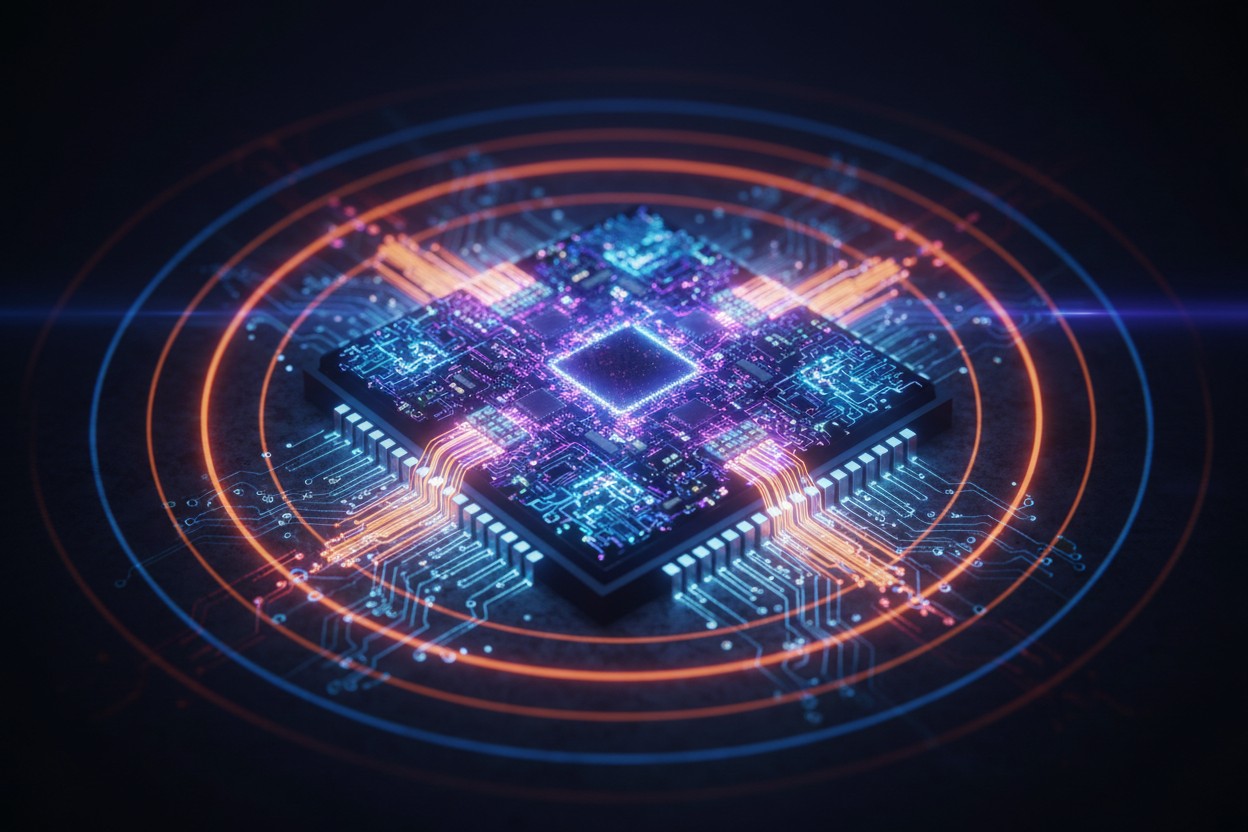
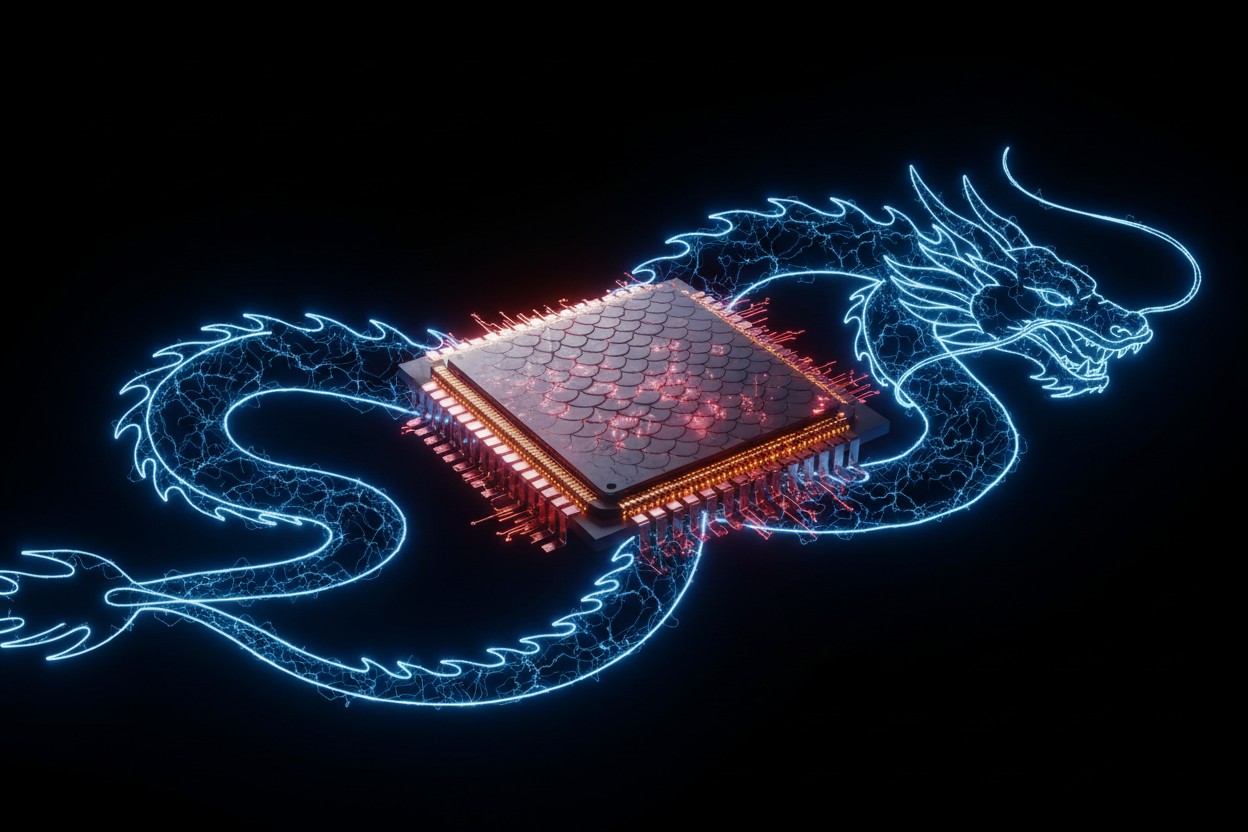
SK Hynix and TetraMem have introduced an analog in-memory computing chip designed to reduce power consumption and increase data processing speed. According to the companies, the chip moves computation closer to memory to address the von Neumann bottleneck that limits performance in conventional architectures. The announcement was made in a joint statement.
How the Chip Works
Analog in-memory computing performs calculations directly within memory cells using analog signals. This contrasts with traditional digital processors that shuttle data between separate memory and processing units. Officials said the approach reduces energy wasted on data movement and allows parallel operations. The chip uses non-volatile memory elements to store weights and perform multiply-accumulate operations.
This design is similar to brain-inspired memristor technology that integrates memory and processing, reducing AI energy consumption by up to 70%, according to researchers at the University of Cambridge [1]. The von Neumann architecture, which separates memory and processing, has long been a bottleneck [2]. Memory bandwidth is a common bottleneck in high-performance embedded systems, as noted in computing literature [3].
Performance Claims
The companies stated the chip achieves significant improvements in energy efficiency compared to conventional digital accelerators. Processing speed improvements were reported for neural network inference tasks. Executives emphasized the potential for edge AI applications. Specific benchmarks were not disclosed in the announcement, but the technology aims to compete with other emerging analog solutions.
This analog approach revives techniques from early computing, where analog machines were used before digital systems became dominant [4]. The integration of memory and processing is a key strategy for reducing energy consumption in AI workloads.
Potential Applications
The chip is designed for use in AI inference, machine learning, and other data-intensive workloads. Applications include real-time analytics, autonomous systems, and low-power edge devices. Industry analysts noted the chip could complement existing digital solutions in data centers. The companies plan to sample the chip to select customers later this year, the report stated.
The growing demand for AI accelerators has contributed to a memory chip shortage, as large technology companies lock in supply by signing long-term agreements [5]. The broader computer chip crisis has also affected manufacturing and wait times [6].
Industry Context
Analog in-memory computing is an emerging field with several players developing similar technology. SK Hynix and TetraMem aim to demonstrate commercial viability through this chip. Challenges include precision limits and integration with existing semiconductor manufacturing. The development represents a step toward more efficient computing architectures, according to the announcement.
Brain-inspired nanoelectronics, such as memristors, are also being pursued to reduce AI energy consumption [1]. As the industry seeks alternatives to traditional digital accelerators, analog in-memory computing could play a role in meeting the power and performance demands of next-generation AI systems.
References
- Patrick Lewis. “Revolutionary AI breakthrough Brain inspired nanoelectronics slash energy consumption”. NaturalNews.com. April 27, 2026.
- Gerard O’Regan. “Giants of Computing”.
- S R Vijayalakshmi and S Muruganand. “Embedded Vision An Introduction”.
- Conway, Flo. “Dark hero of the information age: in search of Norbert Wiener, the father of cybernetics”.
- Zero Hedge. “The AI Boom Is Creating A Global Memory Chip Shortage”. March 14, 2026.
- NaturalNews.com. “Computer chip crisis getting worse as manufacturing slows and wait times increase amid insane demand”. NaturalNews.com. April 19, 2022.
Submit a correction >>
Tagged Under:
Big Tech, breakthrough, computing, computing chip, cyber war, digital processor, future science, future tech, Glitch, in-memory computing, information technology, innovations, inventions, progress, robotics, robots, SK Hynix, tech giants, technocrats, TetraMem
This article may contain statements that reflect the opinion of the author
RECENT NEWS & ARTICLES